Author:
Evaluation:
Published: 02.12.2010.
Language: English
Level: Secondary school
Literature: 1 units
References: Not used
  • Presentations 'Live Statues', 1.
  • Presentations 'Live Statues', 2.
  • Presentations 'Live Statues', 3.
  • Presentations 'Live Statues', 4.
  • Presentations 'Live Statues', 5.
  • Presentations 'Live Statues', 6.
  • Presentations 'Live Statues', 7.
  • Presentations 'Live Statues', 8.
  • Presentations 'Live Statues', 9.
  • Presentations 'Live Statues', 10.
  • Presentations 'Live Statues', 11.
  • Presentations 'Live Statues', 12.
  • Presentations 'Live Statues', 13.
  • Presentations 'Live Statues', 14.
  • Presentations 'Live Statues', 15.
  • Presentations 'Live Statues', 16.
Extract

History
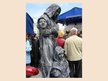
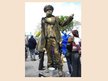
The tableau vivant, or group of living statues, was a regular feature of medieval and Renaissance festivities and pageantry, such as royal entries by rulers into cities.
The first modern living statues appear first in the 19th century as circus and performance artists.

Popularity
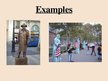
Live Statues are becoming increasingly popular for a range of events like :
film premieres,
corporate events,
art festivals and many others.
They are also very common performing on the streets.


Author's comment
Send to email

Your name:

Enter an email address where the link will be sent:

Hi!
{Your name} suggests you to check out this eKönyvtár paper on „Live Statues”.

Link to paper:
https://eng.ekonyvtar.eu/w/427459

Send

Email has been sent