
Evaluation:
Published: 03.05.2003.
Language: English
Level: Secondary school
Literature: n/a
References: Not used
  • Essays 'Critical analysis of Macbeth.', 1.
  • Essays 'Critical analysis of Macbeth.', 2.
  • Essays 'Critical analysis of Macbeth.', 3.
  • Essays 'Critical analysis of Macbeth.', 4.
  • Essays 'Critical analysis of Macbeth.', 5.
  • Essays 'Critical analysis of Macbeth.', 6.
  • Essays 'Critical analysis of Macbeth.', 7.
  • Essays 'Critical analysis of Macbeth.', 8.
  • Essays 'Critical analysis of Macbeth.', 9.
  • Essays 'Critical analysis of Macbeth.', 10.
Extract

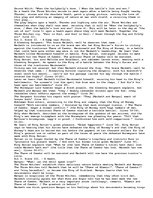
Second Witch: "When the hurlyburly's done, / When the battle's lost and won."
On a heath the Three Witches decide to meet again after a battle being fought nearby. Thunder, storms and the desolate heath, paint a gloomy picture, setting the tone of this play and defining an imagery of nature at war with itself, a recurring theme in this play...
The play begins upon a heath. Thunder and lighting rake the air. Three Witches ask themselves when they shall next meet, deciding that it will be "When the hurlyburly's done, / When the battle's lost and won" (Line 4). This will be later in the day a…

Send to email

Your name:

Enter an email address where the link will be sent:

Hi!
{Your name} suggests you to check out this eKönyvtár paper on „Critical analysis of Macbeth.”.

Link to paper:
https://eng.ekonyvtar.eu/w/366272

Send

Email has been sent