

Evaluation:
Published: 27.04.2002.
Language: English
Level: Secondary school
Literature: n/a
References: Not used
  • Essays 'Heavy Metals', 1.
  • Essays 'Heavy Metals', 2.
  • Essays 'Heavy Metals', 3.
  • Essays 'Heavy Metals', 4.
  • Essays 'Heavy Metals', 5.
  • Essays 'Heavy Metals', 6.
  • Essays 'Heavy Metals', 7.
  • Essays 'Heavy Metals', 8.
  • Essays 'Heavy Metals', 9.
  • Essays 'Heavy Metals', 10.
  • Essays 'Heavy Metals', 11.
  • Essays 'Heavy Metals', 12.
  • Essays 'Heavy Metals', 13.
  • Essays 'Heavy Metals', 14.
  • Essays 'Heavy Metals', 15.
Extract

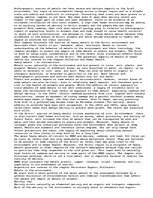
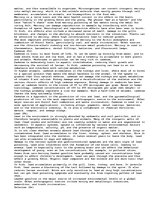
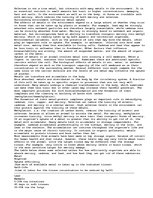
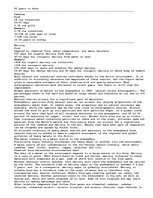
Anthropogenic sources of metals can have severe and obvious impacts on the local environment, but signs of environmental change across a larger region and on a broader scale are subtle and difficult to interpret. Connecting dead trees and bare ground to a nearby smelter complex is not hard. But what does it mean when mercury levels are higher in the upper part of ocean and lake sediments. Could it be evidence of an increased circulation of this toxic element, a sign that human activities may be adding to an existing burden of mercury in Arctic animals and the people who eat those animals?…

Send to email

Your name:

Enter an email address where the link will be sent:

Hi!
{Your name} suggests you to check out this eKönyvtár paper on „Heavy Metals”.

Link to paper:
https://eng.ekonyvtar.eu/w/296984

Send

Email has been sent